The Comprehensive Guide to Balancing Blood Sugar Levels Naturally
In today’s fast-paced world, maintaining a healthy metabolic system is more crucial than ever. Many individuals are searching for effective ways to support healthy blood sugar and achieve a balanced physiological state. The modern diet, characterized by highly processed foods and sedentary lifestyles, has made maintaining normal glucose levels a challenge for millions. Whether you are proactively managing your well-being or seeking to understand the mechanics of glucose control, knowledge is your most powerful tool. This extensive guide explores the intricate mechanisms of glucose metabolism, insulin sensitivity, and the most effective natural strategies to promote metabolic harmony.
Are You Experiencing Metabolic Slowdown?
If you find yourself struggling with your daily energy and wellness, you are not alone. Millions of Americans face these common issues as their metabolism changes:
- Blood Sugar Spikes: Sudden rushes of glucose that leave you feeling jittery.
- Fatigue After Meals: The dreaded "afternoon crash" where you feel exhausted.
- Insulin Resistance: Your cells stop responding to insulin, trapping sugar in the blood.
Understanding these signs is the first step. Fortunately, targeted nutritional support can help.

Why Blood Sugar Becomes Harder To Control After 40
As we age, our bodies undergo significant metabolic shifts. The natural decline in muscle mass and changes in hormone levels often lead to what experts call metabolic slowdown.
- Insulin Resistance: Cells become less responsive to insulin, leaving excess glucose in the bloodstream.
- Glucose Spikes: Meals that used to digest easily now cause sharper, more prolonged sugar spikes.
This is why nutritional support is crucial. Targeted ingredients can provide the necessary foundation for maintaining healthy glucose balance.
Understanding Glucose Metabolism: The Body's Energy Engine
To understand how to achieve optimal health, we must first look at the core of our cellular energy production. Glucose is the primary energy source for your body's cells, fueling everything from brain function to muscle contractions. When you consume carbohydrates, your digestive system meticulously breaks them down into sugar molecules, which then enter your bloodstream. In response to this influx of sugar, your pancreas secretes insulin—a powerful hormone that acts like a key, unlocking cells so glucose can enter and be utilized for energy. This delicate, continuous process is essential for what is commonly referred to as blood sugar control.
However, the system is designed for natural, whole foods. When the body is consistently overwhelmed by high glycemic loads from refined sugars and simple carbohydrates, the cells can become overwhelmed and less responsive to insulin's signal. This condition, known as insulin resistance, leads to elevated blood glucose levels because the sugar remains trapped in the bloodstream rather than being absorbed by the cells. Identifying the best way to maintain glucose balance begins with understanding how to support this natural metabolic pathway rather than disrupting it with constant glucose spikes. Blood glucose support is not merely about restriction; it is about providing the body with the right fuel at the right time.
"Metabolic flexibility—the body's ability to efficiently switch between utilizing carbohydrates and fats for fuel—is the absolute cornerstone of long-term health, disease prevention, and vibrant daily energy."
The Critical Importance of Insulin Sensitivity
Insulin sensitivity refers to how responsive your cells are to insulin. High sensitivity means your body requires only a small amount of insulin to manage blood glucose, which is a hallmark of excellent metabolic health. Conversely, diminished sensitivity necessitates increased insulin production. Over time, this overproduction places immense stress on the pancreas and leads to systemic inflammation and fat storage, particularly around the visceral organs.
Improving insulin sensitivity is often the primary goal for those seeking comprehensive glucose support. Lifestyle modifications are absolutely paramount here. Regular physical activity, particularly strength training and high-intensity interval training (HIIT), dramatically enhances cellular sensitivity to insulin. Muscle tissue is the largest consumer of glucose in the body. By building and actively engaging your muscles, you create a "sink" for glucose to flow into, allowing for much more efficient glucose control without relying solely on dietary changes.
Furthermore, periods of fasting or time-restricted eating can give the pancreas a much-needed rest, naturally allowing insulin levels to drop and cells to regain their sensitivity. This is why many experts emphasize that meal timing can be just as important as meal composition when exploring ways to support metabolic health.
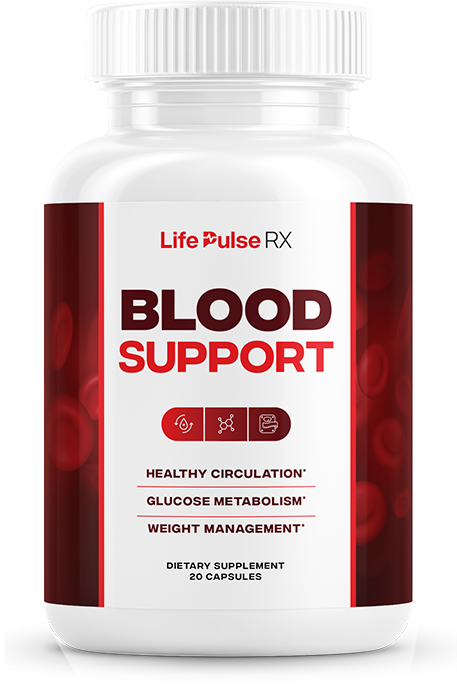
Discover Blood Sugar Support
Support your body's natural metabolic pathways with targeted nutritional ingredients designed for healthy glucose balance.
- Supports healthy insulin response
- Formulated with premium botanical extracts
Dietary Strategies: Food as Metabolic Medicine
When discussing how to support healthy glucose levels naturally, diet is universally recognized as the absolute foundation. The foods you consume directly and immediately dictate your glycemic response. A poor diet can negate even the best exercise and supplement routines.
Many individuals explore specific diets for metabolic support (like managing HbA1c), which is a crucial blood test that measures your average blood glucose over the past two to three months. To support metabolic health naturally, nutritionists often recommend shifting away from the standard Western diet towards a more Mediterranean or low-carbohydrate approach. Key dietary pillars include:
- Emphasizing Complex Carbohydrates: Switching from refined sugars and white flours to whole grains, legumes, and non-starchy vegetables. These foods slow digestion and prevent the sharp glucose spikes that trigger excessive insulin release.
- Prioritizing Soluble Fiber: Soluble fiber, found abundantly in oats, chia seeds, flaxseeds, and berries, forms a gel-like substance in the digestive tract. This dramatically slows sugar absorption and acts as a potent, natural blood glucose support mechanism. Aiming for 30-40 grams of fiber daily can transform your metabolic health.
- Healthy Fats and Quality Proteins: Never eat carbohydrates in isolation. Pairing carbohydrates with high-quality proteins and healthy fats (like avocados, walnuts, almonds, and extra virgin olive oil) mitigates the rapid influx of glucose into the bloodstream. This concept, known as "food sequencing" or "macronutrient pairing," is one of the most effective ways to support healthy blood sugar after meals.
- Hydration and Vinegar: Drinking plenty of water helps the kidneys flush out excess sugar. Additionally, consuming a tablespoon of apple cider vinegar diluted in water before meals has been shown in some studies to improve insulin sensitivity and reduce post-meal blood sugar spikes.
By adopting a whole-foods-based approach, you can effectively implement practical, daily ways to support metabolic health and foster a sustainable, health-promoting lifestyle.

The Role of Targeted Nutritional Supplementation
While diet, exercise, and sleep are the non-negotiable pillars of health, many turn to the best supplements for metabolic support to provide an additional layer of targeted nutritional assistance. High-quality blood sugar support supplements are formulated specifically to complement a healthy lifestyle by providing botanical extracts, vitamins, and trace minerals that the body requires for optimal metabolic function but may be lacking in a modern diet.
When looking for supplements to support healthy blood sugar, nutritional researchers often highlight specific ingredients that possess both a history of traditional use and emerging modern scientific validation. For instance, certain plant-based compounds act as excellent natural support for metabolic health by supporting healthy pancreatic function, reducing oxidative stress, or mimicking the actions of insulin at the cellular level.
Some of the most researched ingredients include:
Alpha Lipoic Acid
Involved in cellular energy metabolism.
Magnesium
Supports normal metabolic processes.
Chromium
Plays a role in carbohydrate metabolism.
Cinnamon Extract
Traditionally used in metabolic wellness routines.
Recently, the conversation has expanded to include advanced, multi-ingredient nutritional formulas. Some individuals even explore whether certain synergistic botanicals and fibers can offer benefits akin to a natural glp 1 supplement by promoting a feeling of fullness (satiety), delaying gastric emptying, and supporting healthy gut flora. It is important to note, however, that dietary supplements work through nutritional and physiological pathways rather than pharmacological ones. Regardless of the specific ingredients chosen, integrating quality supplements for metabolic support fluctuations should always be viewed as a helpful adjunct to—not a replacement for—healthy lifestyle choices.
Targeted Glucose Control Supplements
Enhance your daily routine with a formula created specifically for individuals focused on blood sugar balance and metabolic health.
- Daily support for healthy metabolism
- Complements a low-glycemic diet
Practical Steps to Support Healthy Fasting Glucose Naturally
Fasting glucose levels provide a clear snapshot of your baseline metabolic health, typically measured first thing in the morning before any food is consumed. If your morning numbers are creeping up, it is a sign that your liver is producing too much glucose overnight or your cells are resisting insulin. To successfully support healthy fasting glucose levels, consider incorporating the following evidence-based habits into your daily routine:
- Optimize Sleep Quality and Duration: Sleep deprivation is a metabolic disaster. Lack of sleep increases cortisol (the stress hormone) and dramatically reduces insulin sensitivity the very next day. Aim for 7-9 hours of restorative, uninterrupted sleep to enhance your body's natural blood sugar support systems. Keep your room cool, dark, and screen-free.
- Proactive Stress Management: Chronic, unmanaged stress elevates cortisol constantly. Cortisol stimulates the liver to release stored glucose into the bloodstream (the "fight or flight" response) while simultaneously making cells insulin resistant. Practices like daily mindfulness, meditation, yoga, and deep breathing exercises are not just for mental health—they are highly effective, scientifically validated ways to support metabolic wellness naturally.
- Evening Movement: A simple 10-15 minute brisk walk after your evening meal can significantly blunt the post-meal glucose spike and help clear sugar from the bloodstream before you go to bed, directly impacting your fasting numbers the next morning.
- Strategic, Long-Term Supplementation: Consistency is key. Utilizing well-researched nutritional support for metabolic health over a period of months—such as those containing the aforementioned Berberine, Cinnamon, or Chromium—can provide the steady, foundational support required for long-term success in balancing blood sugar levels. Quick fixes do not work for metabolic health; persistent, daily support does.
Conclusion: A Holistic, Lifelong Approach
Achieving and maintaining optimal glucose metabolism is a multifaceted, lifelong endeavor. It requires patience, education, and consistency. There is no single "magic pill" or isolated best way to maintain glucose balance. A solitary focus on diet while ignoring stress, or taking supplements while remaining sedentary, will yield suboptimal results.
Instead, true success lies in the synergy of the pillars we have discussed: a nutrient-dense, low-glycemic diet, consistent and varied physical activity, restorative sleep, aggressive stress management, and, when appropriate, the intelligent use of targeted supplements to support metabolic health.
By educating yourself on how your body processes fuel and proactively applying these principles every single day, you take a monumental step toward robust, lifelong metabolic health, sustained energy, and a vibrant future.


